
Pilates
Pilates is a method of movement that helps you develop power, coordination, flexibility, and awareness through slow, controlled exercises.
It works by exploring fundamental movement patterns—bending, arching, twisting, and reaching—so you can organise your body more efficiently and move with greater ease and support from your centre. Rather than creating strength through effort or compression, Pilates encourages power with length—a more responsive, connected way of moving that carries into everyday life.
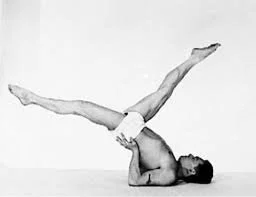
How Pilates Works
At its heart, Pilates is a way of learning how you move.
We work with patterns you already use every day—reaching, turning, bending—and refine how they are organised through the spine. As your awareness and coordination improve, movement often begins to feel smoother, lighter, and more supported.
You’re not just exercising muscles, but developing a clearer, more efficient relationship between your whole body.
What Begins to Change Over Time
With regular practice, many people notice a quiet but meaningful shift in how they feel and move.
Everyday actions—bending to pick something up, turning, walking, reaching—often become smoother and less effortful. There’s usually a greater sense of support through the body, more freedom through the spine, and a feeling of being more organised and capable in movement.
Over time, this can lead to feeling more energised, more resilient, and more at ease in yourself—not just during class, but in daily life.
“You are only as young as your spine is flexible”
-Joseph Pilates
Some of the Benefits
Improved coordination and control in everyday movement
Greater flexibility and freedom through the spine
Increased power and support from the centre of the body
Better posture and more efficient movement patterns
A stronger sense of body awareness and ease in how you move
Is Pilates Right for You?
Pilates can be adapted for a wide range of people—whether you’re looking to feel stronger, improve posture, support recovery from injury, or simply move with more ease and confidence.
A Brief History
Pilates was developed by Joseph Pilates in the early 20th century. Originally called Contrology, the method was designed to build strength, coordination, and resilience through mindful movement.
Over time, it has evolved and spread worldwide, while still rooted in his original principles of control, awareness, and whole-body organisation.
I offer Private Pilates tuition at Clarence House, 6 Clarence Rd, Norwich UK.