


Feldenkrais and Neuroplasticity: What “Flexible Brains” Means for Pain Relief
What did Moshe Feldenkrais mean by “flexible brains”? Discover how neuroplasticity, movement awareness, and gentle learning can reduce pain and restore ease.
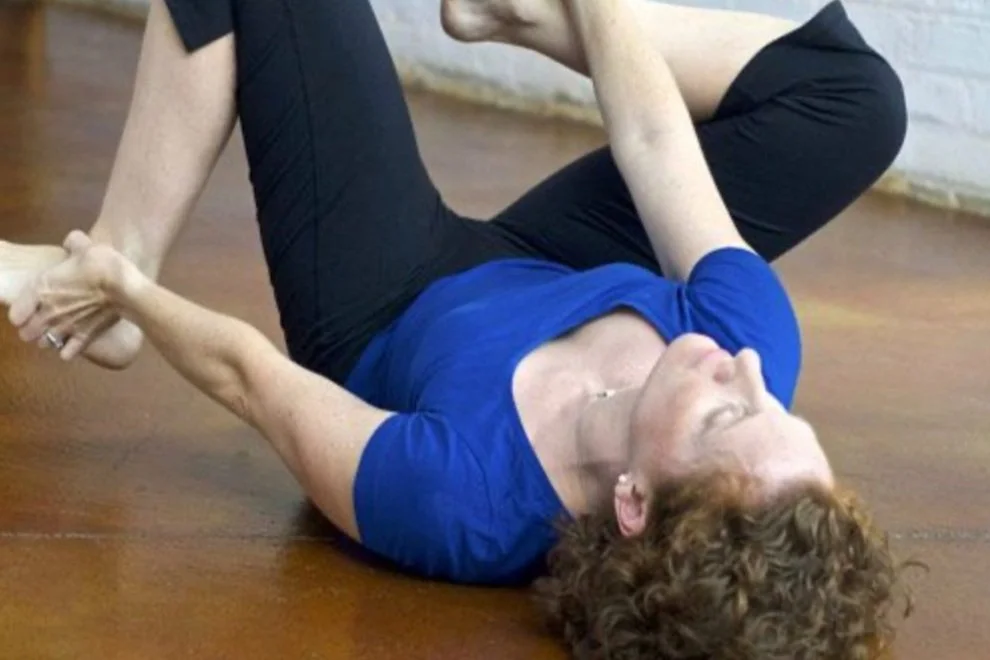
Why Feldenkrais Awareness Through Movement® Isn’t Demonstrated (And Why That Matters)
Why aren’t Feldenkrais Awareness Through Movement® lessons demonstrated? Discover how verbal guidance improves awareness, learning, and movement.
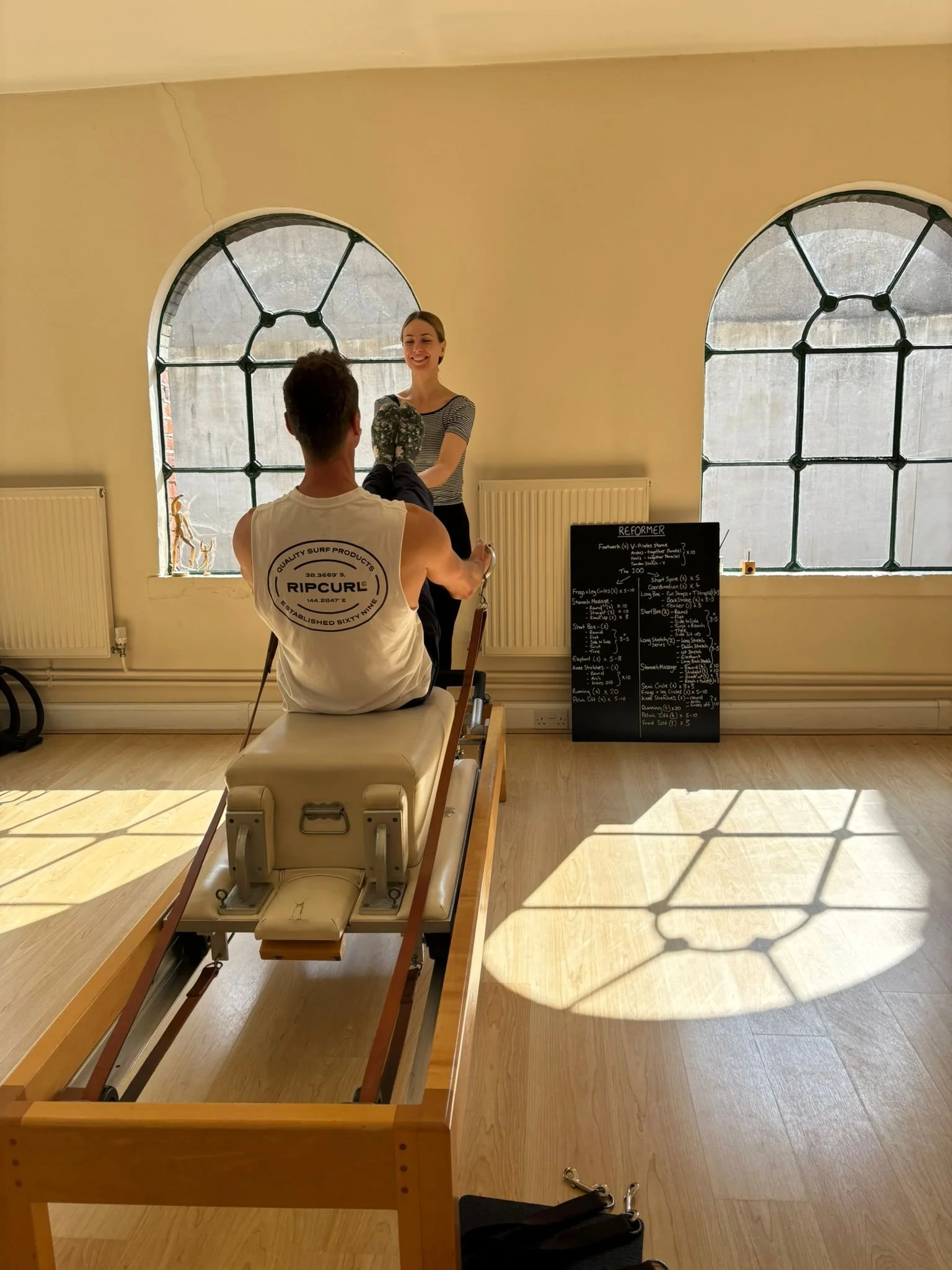
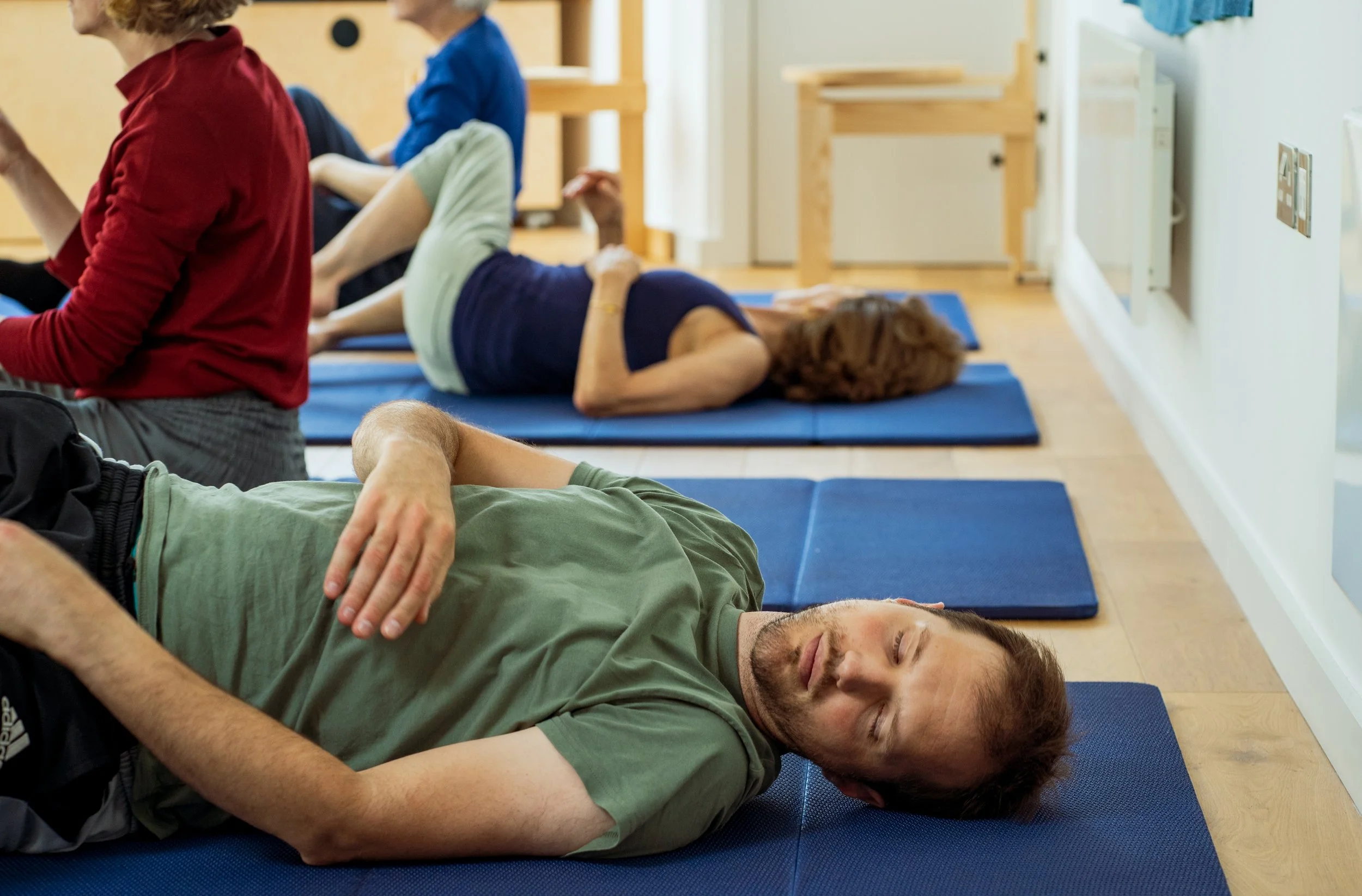
Waiting & Listening: Why Doing Less Can Help You Move, Heal, and Think More Clearly
A personal reflection on learning to slow down through waiting and listening, and how stillness, awareness, and gentle attention can support movement, recovery, and wellbeing.

No Gain with Pain: A Kinder Approach to Pain Relief with The Feldenkrais Method®
Struggling with pain? Discover how the Feldenkrais Method offers a gentle, awareness-based approach to pain relief without pushing through discomfort.

Interoception: How Learning to Listen to Your Body Improves Movement and Wellbeing
What is interoception? Learn how sensing your internal body signals can improve movement, reduce pain, and support wellbeing through the Feldenkrais Method.

Movement Boundaries: What They Are and How They Reduce Pain and Improve Learning
Learn what movement boundaries are, why they matter, and how they can reduce pain, improve comfort, and support learning in the Feldenkrais Method.


Why You Shouldn’t Try to Be Good at Feldenkrais (And Why Frustration Helps You Learn)
Struggling in a Feldenkrais lesson? Learn why frustration is a key part of the learning process and how it helps improve movement, awareness, and ease.


Movement Habits: How They Form, Why They Cause Pain, and How to Change Them.
Learn what movement habits are, how they develop, and how changing them can reduce pain and make everyday movement easier using the Feldenkrais Method.

How Movement Affects Emotion: A Feldenkrais Exploration of the “Prayer Lesson”
In Feldenkrais, movement is closely connected to emotion and attention. In a “Prayer Lesson,” simple hand movements are combined with awareness and intention, revealing how changes in movement can influence emotional state, and how emotional tone can also change the quality of movement.